Posted on 03/10/2026
Flower waste disposal and council fines in Harringay N4: what residents and businesses need to know
If you are dealing with flower waste disposal and council fines in Harringay N4, you are probably not looking for theory. You want to know what counts as flower waste, how to get rid of it properly, and how to avoid an avoidable fine. Fair enough. A spilled bucket of stems outside a shop, a pile of wilted bouquets after an event, or bags of mixed green waste left by the wrong bin can quickly become a nuisance, and sometimes a costly one.
In Harringay N4, the main challenge is simple enough: flower waste is often treated like ordinary rubbish by mistake, even though the material, quantity, and disposal method can matter. This guide explains the practical side of it in plain English, including the risks, the better options, the local-minded realities, and the small details that tend to catch people out. You will also find a checklist, a comparison table, and answers to the questions people usually ask when they are trying to sort things out without making a mess of it.
One thing to keep in mind from the start: penalties are usually about behaviour, not just waste type. A tidy, well-organised flower disposal routine tends to prevent problems long before they become council issues. And yes, that sounds obvious, but in the real world it is often the obvious bit that gets skipped.
- Why flower waste disposal and council fines in Harringay N4 matters
- How flower waste disposal and council fines in Harringay N4 works
- Key benefits and practical advantages
- Who this is for and when it makes sense
- Step-by-step guidance
- Expert tips for better results
- Common mistakes to avoid
- Tools, resources and recommendations
- Law, compliance, standards, or best practice
- Options, methods, or comparison table
- Case study or real-world example
- Practical checklist
- Frequently asked questions
Why Flower waste disposal and council fines in Harringay N4 Matters
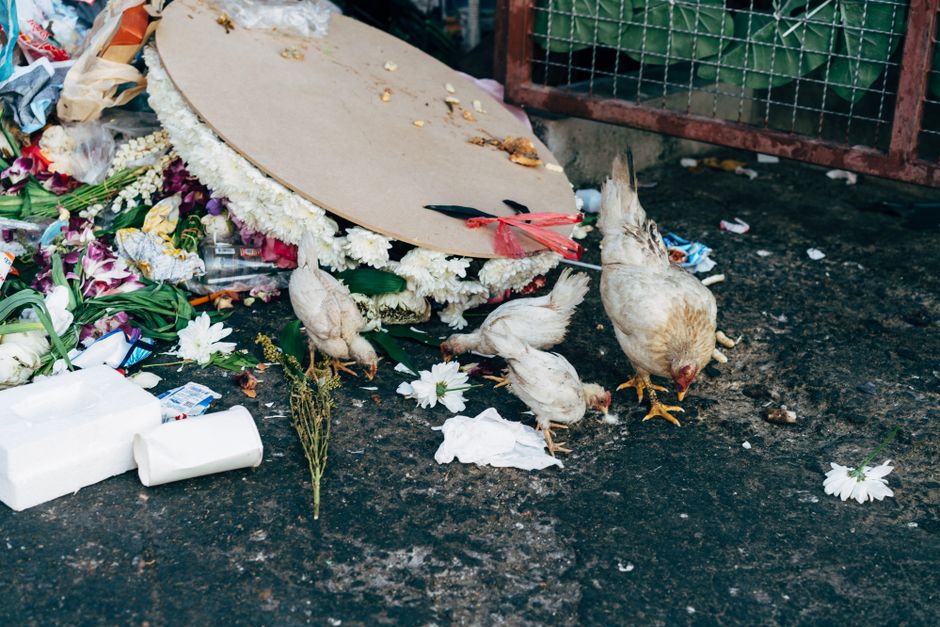
Flower waste sounds harmless, and most of the time it is. But once it is put out carelessly, mixed with the wrong materials, or left where it blocks the pavement, it can create a real issue. In a busy area like Harringay N4, that means complaints, missed collections, unpleasant smells, pests, and sometimes enforcement attention. The council is not usually concerned that the waste came from roses rather than office paper; it is more concerned with whether waste is presented, stored, and removed properly.
For households, the risk is usually low if you use the correct bin and do not overfill it. For florists, venues, cafes, event organisers, and market traders, the risk rises because flower waste builds up quickly. Stems, leaves, wrapping, twine, flower foam, tape, water, damaged vases, and cardboard can all end up in one heap. That mix is where problems begin. A tidy bundle of green waste is one thing. A leaking black sack with mixed rubbish, broken glass, and soggy petals is another entirely.
There is also a reputational angle. If your shopfront or venue repeatedly looks untidy, people notice. Delivery drivers notice. Customers notice. Neighbours definitely notice. And if you have ever had to apologise while standing next to a damp bin bag at 8:30 in the morning, you will know the feeling. Not ideal.
At a local level, good disposal habits help keep pavements clear, reduce overspill, and support a cleaner street scene. That matters in Harringay N4 because small issues can escalate quickly on narrow residential roads and busier commercial stretches. One bag left outside at the wrong time is enough to create a complaint. Then the whole thing becomes more complicated than it should have been.
Practical takeaway: if flower waste is being stored outside, mixed with general rubbish, or left in a way that attracts complaints, you are increasing the chance of a council fine or enforcement visit. Prevention is much easier than dealing with the aftermath.
How Flower waste disposal and council fines in Harringay N4 Works
The basic process is straightforward, but the details matter. Flower waste should be separated, contained, and removed in line with the property type and the waste arrangement in place. For many homes, that means putting plant material into the appropriate household waste or garden waste stream, if available. For businesses, it usually means using a commercial waste collection arrangement that can handle organic waste properly.
What councils generally look at is not only what the waste is, but where it is left, when it is left, and whether it creates a public nuisance. If waste bags are placed out too early, left loose, leak onto the pavement, or obstruct pedestrians, the council may treat that as a breach of local waste rules or environmental management expectations. If the waste is fly-tipped, that is a more serious matter entirely.
Flower waste itself is often a practical waste stream because it is bulky but light. That sounds manageable, and it often is, until water, packaging, and mixed debris are added. Wet stems can drip. Compostable-looking wrap may not actually be compostable. And flower foam is a particular headache because it is usually not something you want drifting into a mixed organic bin. The clean separation of materials is what keeps disposal simple.
In day-to-day terms, the process works best like this:
- Collect flower waste in one place as soon as it is generated.
- Remove non-organic items such as tape, pins, plastic ribbon, and foam.
- Drain excess water from buckets and containers.
- Place the waste into the correct container or collection stream.
- Store it in a way that does not leak, smell, or spill.
- Put bins or sacks out only when collection rules allow.
When people get fined, it is often because one of those steps was skipped. The council does not need perfection, but it does expect reasonable care. That is the real point.
If you run a flower-related business, you may also need a more reliable routine than a once-a-week tidy-up. That might involve bigger internal bins, more frequent collections, or a plan for event peaks like weddings, funerals, holidays, and busy weekend trading. If you want to keep quality high while waste stays under control, it helps to think about the full workflow, not just the bin outside.
For a broader look at service standards and delivery expectations across the area, some businesses also review pages such as delivery information and sustainability commitments to align their waste habits with day-to-day operations. That kind of joined-up thinking sounds small, but it pays off.
Key Benefits and Practical Advantages
Handled properly, flower waste disposal is not just about avoiding trouble. It can improve how a home, shop, or event space feels and functions. A clean waste routine makes the whole environment calmer. You smell less decay. You see less clutter. You spend less time chasing problems that should never have happened in the first place.
Here are the practical advantages people usually notice first:
- Lower risk of council enforcement: tidy, compliant waste handling is less likely to trigger complaints or fines.
- Cleaner surroundings: no damp sacks, loose petals, or stray thorns across the pavement.
- Better hygiene: less chance of pests, mould, and unpleasant odours.
- Faster clean-up: when waste is sorted at source, disposal is simpler and quicker.
- Better presentation: important for customer-facing businesses and venues.
- Improved sustainability: organic waste is easier to manage when separated correctly.
There is another benefit people do not always mention. Staff morale. Nobody enjoys working around overflowing bins or soggy packaging. It quietly drains the room, if that makes sense. A simple disposal routine can make a workplace feel more organised and less stressed. Honestly, that matters more than many owners expect.
For those who send flowers regularly, a reliable process also protects the customer experience. If you are receiving deliveries, assembling arrangements, or managing event flowers, waste control keeps your workspace clear and your routines smooth. You move quicker, make fewer mistakes, and spend less time trying to sort a bag of mixed rubbish at the end of the day. Nobody needs that kind of drama before lunch.
Who This Is For and When It Makes Sense
This topic is relevant to more people than you might think. It is not just for florists. It matters for anyone who handles a meaningful amount of flower waste, or anyone who lives or works somewhere where waste is visible to the public.
- Florists: daily stems, packaging, offcuts, damaged stock, and display refreshes all create waste quickly.
- Cafes and hospitality venues: table flowers, event arrangements, and decorative installations need regular disposal.
- Wedding and event planners: large volumes of flowers come down at the end of a function and often need same-day clearance.
- Funeral directors and memorial services: floral tributes, wreaths, and sprays require respectful and organised handling.
- Households: occasional bouquet waste, dead plants, and garden cuttings still need correct disposal.
- Property managers and landlords: shared bins, courtyards, and communal spaces can become cluttered very fast.
When does it make sense to pay closer attention? Usually when the waste is repeated, visible, or mixed. One bouquet in a kitchen bin is not the same as a weekly pattern of discarded stems outside a premises. If you are dealing with regular flower deliveries, seasonal spikes, or event breakdowns, then yes, it is worth putting a proper system in place.
And if you are asking yourself, "Is this really worth thinking about for a few flower stems?" the answer is probably yes, if those stems are part of a bigger routine. Small things become habits. Habits become standards. Standards, to be fair, are what keep you out of trouble.
Step-by-Step Guidance
If you want a practical way to stay compliant and reduce the risk of fines, work through the process below. It is not complicated, but it does need some discipline.
1. Identify the waste correctly
Start by separating flower waste from everything else. Fresh stems, leaves, petals, and soil belong in a different stream from plastic wrap, broken containers, ribbons, foam, and cardboard. The cleaner the separation, the easier the disposal.
2. Remove non-organic materials
Take off tape, pins, ties, tags, and anything else that will not break down easily. This is the bit people often rush. A few minutes now saves a mess later.
3. Drain excess water
Flower waste often comes with water, and water means leaks. Let containers drain before disposal and avoid leaving dripping waste on pavements or in shared bin areas.
4. Use the right container
Choose a bin or sack that suits the volume you produce. Overstuffed bags split. Loose stems blow around. A lidded bin or secure container is usually far better than a flimsy sack left by a wall.
5. Store waste safely until collection
Keep the waste where it will not obstruct access routes or create a nuisance. If it must be stored outside, make sure it is secure and only out for the correct collection window.
6. Book the right collection method if needed
If you are producing commercial volumes, a standard household collection may not be enough. This is where a commercial waste arrangement becomes useful. It keeps the site cleaner and reduces the temptation to make do with the wrong bin. That shortcut usually costs more in the end.
7. Review and tidy the routine
Once your system is in place, check whether it is actually working. Are bins overflowing? Are staff leaving waste out too early? Are there complaints from neighbours? A small adjustment can solve a recurring problem quickly.
If you need a dependable supply chain for floral work alongside better handling, it can also help to look at product pages like flower shops in Harringay N4 and flower care guidance, because the better your handling upstream, the less waste you create downstream. Simple, really.
Expert Tips for Better Results
After enough time around flower retail and delivery operations, a few patterns show up again and again. The businesses that stay tidy are not necessarily the biggest ones. They are the ones with habits.
- Keep a separate waste point for fresh flowers: do not mix it with box-cutting waste, packing tape, or food waste.
- Use liners that actually hold moisture: thin sacks split at the bottom, and then you have a cleanup job before you have even started.
- Train everyone, not just one manager: if only one person knows the routine, it will break as soon as they are off shift.
- Schedule clean-downs after peak hours: late afternoon or closing time is often the best point to sort the day's waste.
- Keep collection notes visible: a small reminder near the bin area prevents "I thought someone else did it" moments. Classic.
- Review supplier packaging: ask whether wrap, tags, and ribbons can be reduced or simplified.
One more thing. If you handle events, the clean-up plan should be written before the flowers arrive, not after the speeches. A venue that smells fresh at 9 p.m. can smell like a compost heap by 9:30 if nobody is in charge of the breakdown.
When in doubt, build the routine around the worst day, not the best one. Busy Friday. Rain. A delayed collection. A full bin. That is the day your system should still hold together.
Common Mistakes to Avoid
Most fines and complaints linked to waste handling are not caused by dramatic misconduct. They come from small, repeatable mistakes. The good news is that those are fixable.
- Leaving waste out too early: especially in shared streets or busy frontages.
- Using the wrong bin: organic flower waste mixed with general refuse creates avoidable issues.
- Overfilling sacks: the bag tears, the waste spills, and everyone notices.
- Ignoring moisture: wet waste attracts smells and leaks onto pavements or floors.
- Mixing compostable and non-compostable items: "looks green" is not the same as suitable for organic disposal.
- Neglecting regular clear-outs: flower waste is short-lived by nature, so delay makes it worse.
- Assuming small volume means no rules apply: even a little waste can still create a nuisance if it is unmanaged.
One common issue in small flower businesses is the "we will deal with it after the rush" mindset. It sounds harmless. Then it is closing time, the back room smells sweet and sour at the same time, and someone is trying to drag a half-tied sack through the shop. Not pretty.
The fix is usually not expensive or complicated. It is about timing, separation, and consistency. A decent system beats a heroic clean-up every time.
Tools, Resources and Recommendations
You do not need fancy kit to handle flower waste well, but the right basic tools make a big difference. In practice, the best setup is usually simple, durable, and easy for staff to follow.
| Tool or resource | What it helps with | Why it matters |
|---|---|---|
| Sturdy lidded bin | Temporary storage of stems and petals | Reduces smell, leakage, and visual clutter |
| Moisture-resistant sacks | Collecting wet green waste | Helps prevent tears and spills |
| Labelled waste zones | Separating flower waste from packaging | Makes staff training easier and faster |
| Drain rack or tray | Drying buckets and containers | Limits water runoff before disposal |
| Collection log | Tracking pick-up times and issues | Useful for spotting patterns and missed clearances |
Within the website, you may also find useful supporting pages such as guarantees, returns and refund information, and about us if you want to understand how service quality and handling standards fit into the wider customer experience. In a real operation, these things are connected. Waste handling is not separate from service quality. It is part of it.
For larger users, a more formal setup can be sensible. Corporate buyers, hospitality teams, and event venues often benefit from a routine that includes scheduled clear-outs, named responsibility, and a backup plan for peak periods. If your team knows exactly what happens after delivery, the whole operation runs smoother. Less guessing. Less faffing about.
Law, Compliance, Standards, or Best Practice
This is the section where caution matters. Council rules, enforcement approaches, and waste arrangements can vary, and you should always check the most current local requirements for your premises. That said, a few general principles are widely expected across UK waste management practice.
First, do not dump waste where it causes a nuisance. That includes pavements, shared entrances, alleyways, and other public-facing areas. Loose waste can be treated as a problem even if the material itself is organic. The location and condition matter.
Second, separate waste streams properly. Flower waste is often best handled as green or organic waste when clean and uncontaminated, but packaging, foam, plastic ties, and similar items may need different handling. If you are unsure, keep them apart until you can dispose of them correctly.
Third, use approved disposal methods for business waste. Businesses usually have extra responsibilities compared with households. If you generate waste as part of trade, it should generally be handled through a suitable collection and record-keeping arrangement. That helps show you are dealing with it responsibly.
Fourth, keep your site safe and tidy. Waste that blocks access, creates a slip hazard, or attracts pests can become a compliance issue even before any fine is discussed.
There is also a practical standard that matters just as much as the formal one: if a disposal method would look untidy to a passer-by in daylight, it probably needs improving. That is not a legal test, of course, but it is a useful one. Streets tell the truth very quickly.
If you are handling memorial or ceremonial flowers, treat them with extra care and respect. Those situations are different in tone and handling, and a thoughtful process matters. A respectful setup, clear storage, and careful removal can make a difficult task feel more dignified.
Options, Methods, or Comparison Table
There is more than one way to deal with flower waste, and the best choice depends on volume, frequency, and whether you are handling it at home or as part of a business. Here is a practical comparison.
| Method | Best for | Pros | Cons |
|---|---|---|---|
| Household bin disposal | Small domestic amounts | Simple, convenient | Not suitable for regular business volumes |
| Separate organic waste collection | Clean green waste in larger quantities | Cleaner handling, better separation | Requires the right collection setup |
| Commercial waste collection | Florists, venues, and event work | Reliable, scalable, less hassle | Needs planning and a collection agreement |
| On-site composting | Limited clean plant waste | Useful where space and systems allow | Not suitable for all premises or mixed waste |
| Ad hoc mixed waste disposal | Not recommended | Feels quick in the moment | Higher chance of nuisance, complaints, and fines |
For most readers in Harringay N4, the real decision is between doing it properly and doing it "just this once." Truth be told, just this once is how recurring problems begin. The better option is the one that your staff, supplier, or household can repeat without stress.
If you run a florist or sell flowers regularly, a reliable product line can also reduce waste through better planning. Browsing categories like best flower delivery in Harringay N4, cheap flowers in Harringay N4, and send flowers services may help you understand demand patterns and reduce over-ordering. Less excess stock often means less waste. Quite a lot less, actually.
Case Study or Real-World Example
A small shop in Harringay N4 was dealing with repeated complaints from nearby residents about damp flower sacks left beside the front railings. Nothing dramatic at first. A bag here, a bucket there. But after a few wet evenings, the area started to smell sweet and sour, especially by the next morning. Delivery staff began leaving things in slightly different spots, which made the situation worse.
The fix was not complicated. The shop changed three things:
- fresh stems were trimmed and sorted immediately after delivery,
- wet waste was drained before bagging, and
- collection timing was tightened so nothing went out early.
They also added a simple label near the back room bin so new staff knew what went where. Within a couple of weeks, the frontage looked tidier, complaints stopped, and the team spent less time cleaning drips from the pavement. No miracle. Just better routine.
That kind of change is common. The issue is rarely that people do not care. Usually they are busy, rushing, or not sure which step matters most. Once the routine is visible, the whole thing gets easier.
Practical Checklist
Use this as a quick check before you put flower waste out or arrange collection.
- Have I separated flower waste from packaging, foam, and general rubbish?
- Have I removed ties, tape, pins, and non-organic bits?
- Is the waste drained enough to avoid leaks?
- Is the bag or bin strong enough for the load?
- Will the waste be stored safely until collection?
- Is it going out at the correct time?
- Could it block access, attract pests, or upset neighbours?
- If this is business waste, do I have the right collection arrangement?
- Has the team been told what to do consistently?
- Would this setup still work on a busy day?
If you can answer yes to those points, you are in a far better place than most rushed setups. And if one or two answers are no, that is useful too. Better to catch it now than after a complaint lands.
Conclusion
Flower waste disposal and council fines in Harringay N4 come down to a simple idea: handle flower waste properly, and you avoid most of the trouble that causes complaints and penalties. Keep it separate. Keep it dry enough. Keep it contained. Put it out at the right time. Those small habits protect your property, your neighbours, your staff, and your peace of mind.
Whether you are a household with the occasional bouquet, a florist with daily offcuts, or a venue clearing down after an event, the same principle applies. A tidy system is cheaper than a messy fix. And in a busy London neighbourhood, tidy is not just neat - it is practical.
If you are reviewing your flower waste routine right now, start with the simplest improvements first. Clear separation, better storage, and a more reliable collection plan usually make the biggest difference. Small steps, done consistently, add up fast.
Get a free quote today and see how much you can save.

Frequently Asked Questions
What counts as flower waste in Harringay N4?
Flower waste usually includes stems, leaves, petals, dead blooms, and other plant material from bouquets, arrangements, displays, or cuttings. It may also include trimmed greenery from event setups. Packaging, foam, ties, and plastic wrap are separate items and should be handled differently.
Can flower waste lead to a council fine?
Yes, if it is left in a way that causes a nuisance, blocks access, leaks, attracts pests, or is otherwise presented badly. The issue is often not the flower waste itself, but how and where it is stored or disposed of.
Is flower waste treated like garden waste?
Sometimes it can be, especially if it is clean and uncontaminated. But the right method depends on whether you are a household or a business, what else is mixed in, and what collection system you use. Mixed waste is where people run into trouble.
What should florists do with leftover stems and leaves?
Florists should separate organic plant waste from packaging and other non-organic materials, then use the correct collection method for the volume they produce. For regular trade waste, a commercial waste arrangement is usually the safest route.
How can I avoid complaints about flower waste outside my shop?
Store waste securely, drain it properly, use strong containers, and only put it out during the approved collection window. Keeping the frontage clean and dry makes a big difference. People notice less when the area looks orderly.
Do I need a special bin for flower waste?
Not always, but a dedicated bin or container is often the easiest way to keep flower waste separate and tidy. If you produce a lot of waste, a lidded bin or managed collection container is usually better than standard black sacks.
Can I compost flower waste on-site?
Sometimes, yes, if the waste is clean and your premises have the right space and setup. But on-site composting is not suitable for every business, and it does not work well if the waste is mixed with packaging, foam, or other non-organic items.
Why do wet flowers cause more problems?
Wet flowers and stems can leak, smell, and create slip risks. Water pooling in bags or containers can also make the waste heavier and harder to handle. Draining the waste first is a simple but very effective step.
Are council rules the same for homes and businesses?
Not usually. Households and businesses often have different expectations, particularly where trade waste is concerned. Businesses generally need a more formal and reliable waste arrangement because they generate waste as part of their operation.
What is the most common mistake people make with flower waste?
Mixing flower waste with general rubbish is one of the most common mistakes. The second is leaving it out too early or in a way that creates a mess. Both are easy to avoid once a proper routine is in place.
Is a small amount of flower waste still a problem?
It can be, if it is left in the wrong place or allowed to leak or spread. Even a small bag can lead to a complaint if it sits in a public-facing area or causes an odour. Small does not automatically mean harmless.
What is the best first step if I keep getting waste-related complaints?
Look at the timing, location, and condition of the waste first. In many cases, the issue is fixed by changing when the waste goes out, using better containers, or separating materials more carefully. A short review usually reveals the weak point very quickly.